Reduced Hazard Risk
Manage heavy branches safely before they become a liability in high winds.
Managing oversized trees safely with arborist-approved height reduction techniques.
Servicing overgrown trees in The Gap, Ashgrove, and Enoggera.
When searching for Tree Lopping The Gap, residents usually have trees that have vastly outgrown their space. We provide professional canopy management to solve the problem safely.
Many older properties in The Gap feature fast-growing species that were planted too close to houses. We assess these oversized trees and use proper reduction pruning to manage their size safely, or remove them entirely if they pose a severe risk.
Manage heavy branches safely before they become a liability in high winds.
Proper reduction ensures the tree remains structurally sound, unlike traditional lopping.
Gain space back and resolve neighbour disputes regarding overhanging foliage.
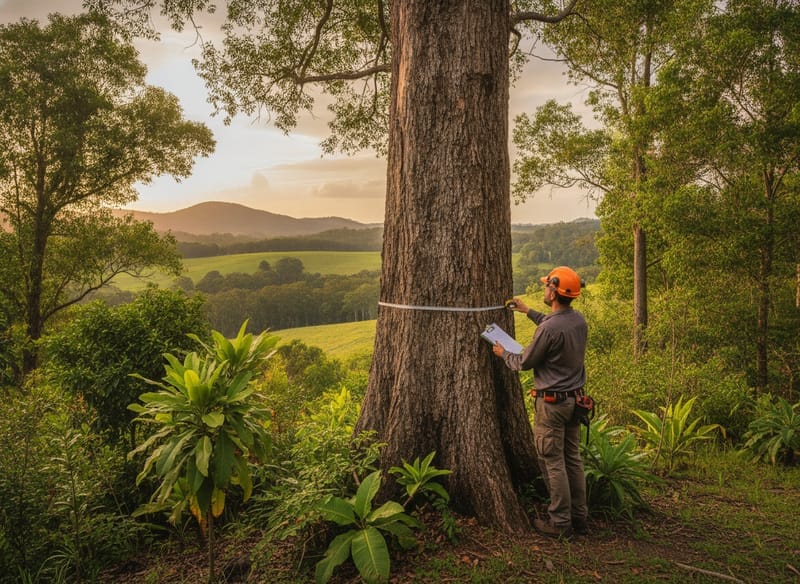
We visit your property in The Gap to understand your concerns about the oversized tree.
We advise whether reduction pruning, thinning, or full removal is the safest option.
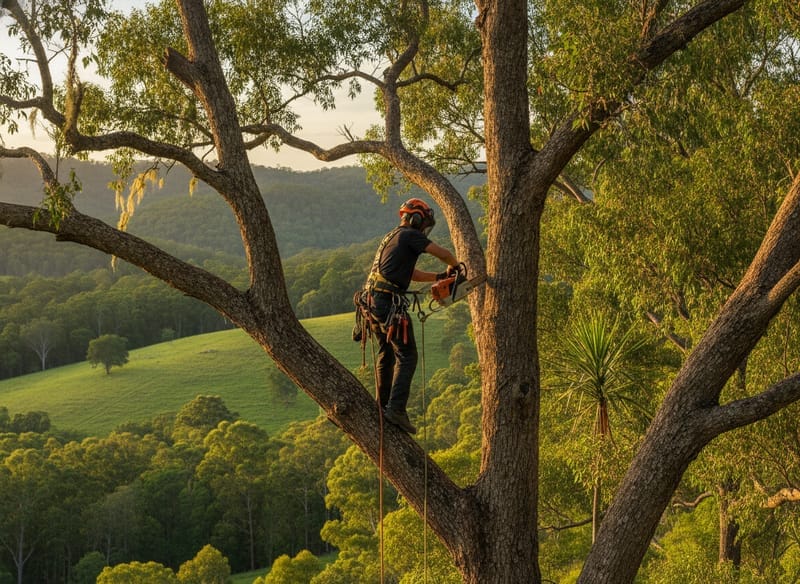
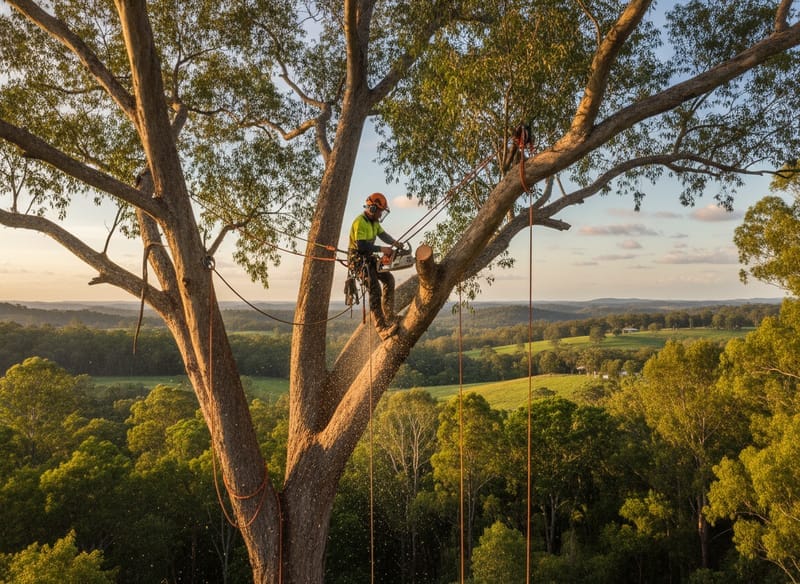
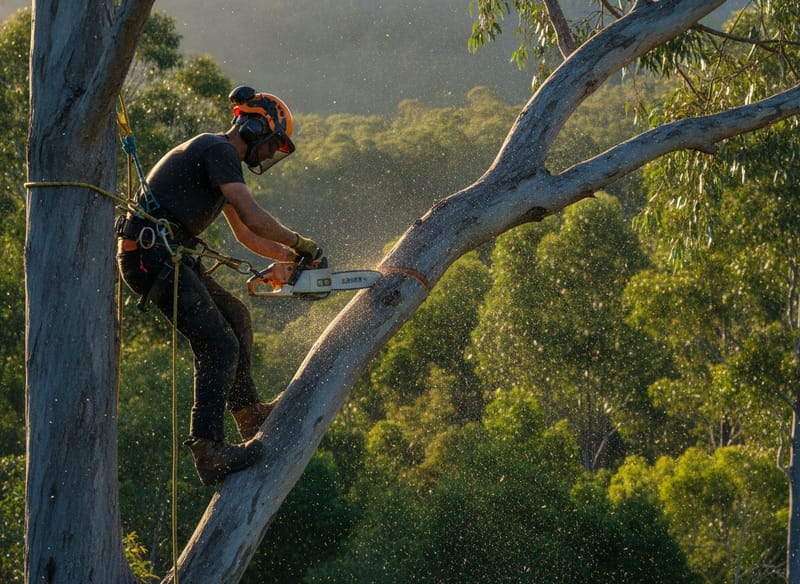
Our climbers implement the agreed strategy using safe, precise cutting techniques.
We remove all bulk foliage and wood, leaving your property neat and tidy.
When you need professional Tree Lopping The Gap residents can rely on, our team of qualified local arborists is here to deliver safe, effective, and compliant canopy management. Nestled at the foothills of Mount Coot-Tha and surrounding Enoggera Reservoir, The Gap is known for its lush, leafy character and towering mature trees. However, those same beautiful canopies can quickly become a hazard when they outgrow their space, overhang roofs, or threaten powerlines during storm season.
As your local Brisbane North arborists, we understand that you often just want a problematic tree made smaller and safer. We provide expert canopy reduction services that achieve exactly that, without compromising the long-term health or structural integrity of your trees. Whether you are managing an overgrown brush box on a suburban street or a towering flooded gum on a steep gully block, our climbers have the skills and equipment to scale it back safely.
In the tree care industry, traditional "lopping" usually refers to blunt, indiscriminate topping cuts that slice straight through major branches. While DIY enthusiasts or under-qualified handymen might think this is the quickest way to reduce a tree's height, it actually creates far worse problems down the line. When a tree is aggressively topped, it goes into shock and aggressively pushes out weak, fast-growing epicormic shoots. Because these new branches are attached to the outer bark rather than the solid heartwood, they are notoriously prone to snapping off in high winds. Furthermore, large stub cuts invite decay and disease, hollowing out the limbs and drastically shortening the lifespan of your canopy. Instead of destructive lopping, our team practices careful, targeted tree reduction strictly governed by AS4373 - Pruning of Amenity Trees. We utilise proper branch collar cuts and target pruning. If you need a tree made significantly smaller, we employ professional crown reduction techniques. This allows us to achieve your clearance and safety goals—keeping branches off your roof and reducing storm risk—while ensuring the tree heals correctly, looks natural, and remains structurally sound for years to come.
When customers ask us for tree lopping, they usually need to reduce a tree's size or manage overhanging limbs. Here is how our AQF Level 3 climbing arborists achieve those goals using industry-approved techniques.
The safest and most effective way to reduce the overall height and spread of a tree. We carefully prune branches back to appropriate lateral growth points, ensuring we remove no more than 25-30% of the live canopy. This shrinks the tree's footprint while maintaining its natural shape and preventing weak regrowth.
If lower branches are blocking your driveway, hitting pedestrian paths, or obstructing your view, we systematically remove the lower tier of the canopy. This provides excellent vertical clearance without needing to touch the upper structure of the tree.
Sometimes, only a few specific branches are causing a problem. Whether it is a heavy limb overhanging your gutters or branches interfering with service lines, we use target pruning to remove the hazard cleanly at the branch collar, preventing decay.
For dense trees that block out natural light or catch too much wind during Brisbane storm season, we selectively remove secondary branches throughout the canopy. This allows wind to pass through harmlessly, significantly reducing the risk of root-plate failure without altering the tree's overall size.
Long, heavy lateral limbs—particularly on large eucalypts and hoop pines—are highly susceptible to summer limb drop. We carefully reduce the end-weight of these specific branches, easing the mechanical stress on the trunk and keeping your property safe below.
We pride ourselves on a transparent, stress-free process from your first phone call to the final site cleanup. Because no two trees are identical, we approach every size-reduction job with a tailored plan.
First, we visit your property to assess the tree. We listen to your concerns—whether you want more sunlight, less leaf drop in the gutters, or a smaller overall canopy. We then explain the best AS4373-compliant method to achieve your goals and provide a clear, upfront quote.
On the day of the job, our arborists arrive with the right equipment for your specific block. Because The Gap is full of steep, tricky terrain, we often rely on advanced rope-access climbing techniques rather than bulky Elevating Work Platforms (EWPs). Our climbers carefully dismantle overgrown sections, rigorously controlling the drop zones so your gardens and structures are never damaged.
Finally, we process all the removed branches through our industrial wood chippers. We can either leave the nutrient-rich mulch for your garden or haul it away entirely in our tipper trucks, leaving your yard impeccably clean and tidy.
Canopy reduction involves working at extreme heights with dangerous equipment, which is why risk management is our absolute priority. Our operations are fully backed by a Public Liability insurance policy and comprehensive WorkCover for all staff, protecting you and your property.
Every climber on our team holds an AQF Level 3 in Arboriculture and the necessary Working at Heights and aerial rescue certifications. We strictly adhere to AS4373 standards for all pruning and lopping work, ensuring your trees are never structurally compromised. When you hire our crew, you are getting trained professionals who put safety, compliance, and quality first.
Executing safe Tree Lopping The Gap wide requires deep local knowledge of both the environment and the municipal regulations. Properties backing onto the Enoggera Reservoir or nestled into the Mount Coot-Tha foothills often feature massive legacy trees like hoop pines, flooded gums, and towering Moreton Bay figs.
The terrain here presents unique challenges. Steep gully blocks and narrow, winding driveways mean we frequently use advanced rope-access and rigging techniques to navigate sites where heavy machinery simply cannot fit.
Furthermore, Brisbane City Council enforces strict vegetation management rules. Many established trees in The Gap fall under Vegetation Protection Orders (VPOs) or sit within Koala Habitat Areas. Significant pruning or lopping of protected species often requires council approval. Our AQF Level 5 consulting arborists can help you navigate these local overlays, ensuring all work is legally compliant and correctly documented before we make a single cut.
Even the most precise, standards-compliant pruning can cause temporary stress to a tree as it adjusts to a reduced canopy. We recommend deeply watering the root zone during extended dry spells in the weeks following the job to support recovery and healthy sap flow.
Keep an eye on the cuts; you should notice a natural callus forming over the collar, which seals out decay. Avoid applying any artificial sealants or paints, as these can trap moisture and promote fungal infections. Depending on the species and growth rate, we suggest booking our arborists for a follow-up structural inspection every two to three years to maintain optimal size and safety.
Managing oversized trees in The Gap is priced based on the volume of work and access.
You'll receive a detailed, fixed-price quote outlining the exact scope of work.
We manage oversized trees across the northern suburbs.
Get expert advice and a free quote for safe canopy management.
Get Your Free Quote